YES you can still own your system! You don't have to settle for lease or PPA
Top Solar Pool Heating in Desert Hot Springs – Energy Savings Start Here
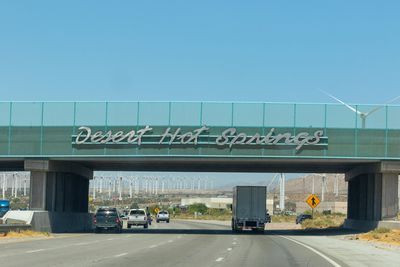
Desert Hot Springs
Desert Hot Springs homeowners live in a true high‑desert environment with severe heat risk, cooler nights, wind, and dust, so both solar and HVAC systems must be selected and installed with these conditions and local permitting rules in mind.
Desert Hot Springs overview
- High‑desert climate: Days can be extremely hot while nights cool sharply, which means homes rely heavily on air conditioning but still need dependable heating for desert evenings and winter cold snaps.
- Neighborhood mix: The city includes older grid neighborhoods, view‑oriented tracts on the hillsides, and golf‑oriented communities such as Mission Lakes Country Club, each with different rooflines and HOA expectations.
- City oversight: The Building & Safety Division issues permits, performs plan checks, and inspects construction and equipment installations under adopted California building codes and local ordinances.
Roof styles, neighborhoods, and HOA realities
From hillside streets with panoramic valley views to golf‑course homes inside Mission Lakes, roof type and HOA rules in Desert Hot Springs strongly influence solar design and HVAC placement.
- Typical homes and roofs:
- Mission Lakes Country Club features a mix of detached homes and condos built in a variety of styles, most with stucco walls and tile or composition roofs, plus shared amenities like a resort‑style pool and inn.
- Other neighborhoods throughout Desert Hot Springs include one‑story stucco homes, some manufactured and small‑lot properties, and hillside houses with rooflines oriented to mountain and valley views.
- Many homes sit in windy, dusty exposures, which affects roof wear, debris on solar arrays, and where condensers and package units can be placed without blocking views or walkways.
- HOAs and community expectations:
- In country‑club and condo communities like Mission Lakes, HOA fees often cover common‑area maintenance, shared facilities, and sometimes exterior elements, so roof work and new equipment installations must follow association rules.
- Some Desert Hot Springs subdivisions advertise HOA fees and shared amenities as part of the lifestyle, meaning aesthetic standards for visible roof equipment and noise can apply even outside traditional country‑club settings.
Solar in Desert Hot Springs: SolarAPP+, expedited permits, and design
Desert Hot Springs has implemented both SolarAPP+ and a small residential rooftop solar ordinance, allowing compliant systems to move quickly through an expedited permitting process.
- SolarAPP+ in Desert Hot Springs:
- Licensed contractors can submit residential roof‑mounted photovoltaic designs and qualifying panel upgrades or change‑outs for automated code review via SolarAPP+ when systems are installed on the main permitted residential structure, use no ballasted racking, and remain below 38.4 kW.
- After a system is approved in SolarAPP+, contractors use the city permitting portal to apply for the solar permit and then schedule inspections with city building inspectors, providing SolarAPP+ documentation and project details.
- Small residential rooftop solar chapter:
- The municipal code establishes a “Small Residential Rooftop Solar Energy System Permits” chapter intended to adopt an expedited, streamlined solar permitting process consistent with the Solar Rights Act and AB 2188.
- The ordinance directs the Department of Building and Safety to limit reviews for qualifying systems to health and safety issues, rely on standardized checklists, and consolidate inspections where possible to reduce delays.
- Local inspection and structural considerations:
- Roof‑mount solar must comply with California building, electrical, and fire codes, including structural attachment, clearances, and fire access pathways, based on statewide solar permitting guidance.
- City and county inspection practices for roof‑mount solar typically require job cards, approved plans, exposed rough electrical where applicable, proper grounding and bonding, and verification of placards and smoke‑alarm certifications at final.
HVAC in Desert Hot Springs: high‑desert stress and dust
In Desert Hot Springs, HVAC systems live in a high‑desert zone where daytime heat, nighttime cooling, and constant dust put unique pressure on both cooling and heating performance.
- Local HVAC stressors:
- Very hot days combined with cooler nights force systems—especially heat pumps—to switch between cooling and heating modes, which can reduce efficiency if equipment is not tuned or if controls are outdated.
- Fine desert dust and sand clog filters, coat indoor and outdoor coils, and accumulate in ductwork, which restricts airflow, lowers efficiency, and can lead to evaporator freeze‑ups or poor heating output.
- Prolonged high temperatures mean compressors and electrical components see long runtimes and occasional power fluctuations, increasing wear and the risk of failures during peak heat.
- Best practices for Desert Hot Springs HVAC:
- Schedule professional maintenance at least annually, and often seasonally, to clean coils, check refrigerant charge, inspect electrical components, and verify safe operation in both heating and cooling modes.
- Replace or inspect filters more frequently than generic national guidance; desert dust often makes monthly checks or changes a practical baseline.
- Investigate duct leaks and insulation, especially in older or manufactured homes, since lost conditioned air in attics or crawlspaces is a major efficiency problem in desert climates.
Desert Hot Springs Pool solar heating
Desert Hot Springs pools see heavy use most of the year, so solar pool heating is one of the most cost‑effective upgrades a homeowner can make. The same desert sun that drives air‑conditioning bills can be harnessed to extend the swim season without relying solely on gas or electric heaters.
- How solar pool heating works locally
- Roof‑ or ground‑mounted collectors circulate pool water through low‑pressure solar panels, using the sun to raise the water temperature before returning it to the pool. With the high‑sun environment in Desert Hot Springs, this can add several months of comfortable swimming on each side of summer with minimal operating cost.
- Systems are typically integrated with existing pool pumps and controlled by an automatic valve and temperature sensor, so the system runs only when there is useful solar heat and shuts off when the pool is at the set temperature
FAQs: Desert Hot Springs solar & HVAC
Q: How does SolarAPP+ work for a typical residential solar project in Desert Hot Springs?
A: For eligible roof‑mounted systems on the main dwelling under 38.4 kW with no ballasted racking, licensed contractors submit designs to SolarAPP+ for automated review and approval. That approval is then used in the city’s permitting portal to obtain the solar permit and schedule inspections with the Building Division.
Q: If I live in Mission Lakes or a condo community, can I still install rooftop solar?
A: Mission Lakes Country Club and similar neighborhoods often have HOA fees and rules governing exterior changes, yet state solar rights and the city’s streamlined rooftop solar ordinance still support reasonable installations. Coordination with the HOA, careful layout, and compliant engineering are usually enough to move projects forward.
Q: Why does my system struggle going from hot days to cool nights?
A: In this high‑desert environment, HVAC equipment may spend the afternoon in heavy cooling mode and then switch to heating at night, which exposes any control, thermostat, or refrigerant issues quickly and can reduce efficiency. Regular tune‑ups to verify both heating and cooling performance help systems handle those daily swings more smoothly.
Q: How often should I change filters in Desert Hot Springs compared to other places?
A: Desert dust and wind typically require much more frequent filter changes than the generic “every 90 days” advice; monthly checks or replacements are often recommended to maintain airflow and protect coils. Clogged filters not only waste energy but can also contribute to freeze‑ups and poor heating performance.
Q: Do local codes and permits affect my choice of solar and HVAC equipment?
A: Yes; all installations must comply with California building, electrical, mechanical, and energy codes as adopted in the city’s Buildings and Construction title, plus the specific small rooftop solar and SolarAPP+ rules where applicable. This ensures equipment is sized, installed, and inspected appropriately for Desert Hot Springs’ high‑desert conditions.