YES you can still own your system! You don't have to settle for lease or PPA
Top Solar Pool Heating in Indio – Energy Savings Start Here
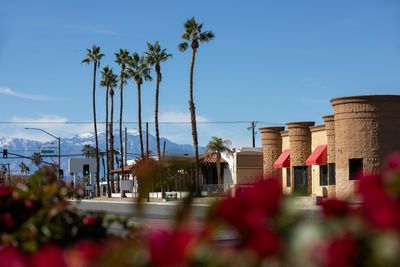
Indio
Indio homeowners live with intense desert heat, big temperature swings after sunset, and a mix of resort‑style and family communities, so both solar and HVAC systems must be designed for long cooling seasons, dust, and local permitting rules.
Indio overview
- Desert climate and seasons: Indio experiences very hot summers with long stretches of triple‑digit days, but nights and winter months can cool off quickly, so systems must handle both heavy cooling and regular heating use.
- Community mix: The city blends master‑planned 55+ communities like Sun City Shadow Hills, golf‑course and country‑club neighborhoods such as Indian Palms, and newer family areas and South Indio subdivisions.
- City oversight: The Indio Building & Safety Division reviews plans, issues building permits, and conducts inspections under adopted California building codes and local ordinances.
Roof styles, neighborhoods, and HOAs
Indio neighborhoods range from resort‑style gated communities to non‑gated streets, and each setting affects where solar arrays and HVAC equipment can go.
- Typical homes and roof types:
- Sun City Shadow Hills offers single‑story, ranch‑style homes built from 2003–2016 with stucco exteriors, concrete or tile roofs, and backyard patios facing fairways and walking paths.
- Indian Palms Country Club and South Indio communities include a mix of single‑family homes and condos, many with tile roofs and HOA‑maintained common areas.
- Newer tracts and country‑club areas often feature attached garages, covered patios, and pool yards that influence condenser placement and solar roof space.
- HOA and community considerations:
- Gated and 55+ communities typically regulate exterior appearance, visible roof equipment, and noise, while still needing to allow reasonable solar access under California law.
- HOA fees often support shared amenities like clubhouses, pools, and landscaping, so any roof work, solar additions, or HVAC relocations should be coordinated with association guidelines and approval processes.
Solar in Indio:
- SolarAPP+ eligibility and process:
- Licensed contractors can submit residential roof‑mounted PV designs and certain panel upgrades or change‑outs for automated review through SolarAPP+ when systems are under 38.4 kW, mounted on permitted main‑dwelling rooftops, and not in special or historic districts or environmentally sensitive zones.
- After SolarAPP+ approval, the contractor applies in Indio’s CSS portal for a “Residential Photovoltaic Roof Mounted – Electrical (SolarAPP)” permit, uploads the SolarAPP+ approval document, and then tracks permit status and inspections online.
- Small residential rooftop solar ordinance:
- Indio’s municipal code includes a chapter on small residential rooftop solar energy systems that applies to qualifying systems on one‑ and two‑family dwellings.
- The ordinance directs the city to provide an expedited, streamlined permitting process substantially conforming to the California Solar Permitting Guidebook, with limited, objective review focused on health and safety.
- For these systems, only one inspection by the Building Official is generally required, combining all necessary checks when possible.
- Design points for Indio roofs:
- Tile and stucco homes typical of Sun City Shadow Hills and Indian Palms require engineered mounting with no ballasted systems on main dwellings, consistent with SolarAPP+ eligibility rules and local standards.
- Arrays are often designed around golf‑course views, interior courtyards, and HOA sightlines, while still observing roof edge set‑backs and height limits.
HVAC in Indio: heat, dust, and seasonal swings
Indio’s HVAC needs reflect both intense summer heat and the reality that many systems spend most of the year in cooling mode but must still perform reliably when switched to heat.
- Local HVAC challenges:
- Long cooling seasons cause AC and heat pump systems to run heavily in cooling mode, so when temperatures drop in winter, equipment that has seen little heating use can struggle or fail without preparation.
- Dust and sand common to the lower Coachella Valley infiltrate homes and HVAC components, clogging filters, coating coils, and contributing to airflow issues and higher energy use.
- Older homes and some tract construction may have limited insulation or weather‑sealing, forcing systems to work harder to keep interior spaces comfortable during both heat waves and cold nights.
- Best practices for Indio HVAC:
- Plan both cooling and heating tune‑ups: servicing systems before summer and again before cooler months helps ensure smooth transitions between modes and extends equipment life.
- Change filters frequently in dusty months and keep outdoor units clear of debris so equipment can move air and reject heat effectively.
- Consider weather‑stripping, window treatments, and basic envelope upgrades to reduce drafts and ease the burden on furnaces and heat pumps during desert nights.
Pool solar heating in Indio
Pools in Indio see heavy use most of the year, so solar pool heating is one of the most cost‑effective upgrades a homeowner can make. The same desert sun that drives air‑conditioning bills can be harnessed to extend the swim season without relying solely on gas or electric heaters.
- How solar pool heating works locally
- Roof‑ or ground‑mounted collectors circulate pool water through low‑pressure solar panels, using the sun to raise the water temperature before returning it to the pool. Given the high‑sun environment in Indio, this can add several months of comfortable swimming on each side of summer with minimal operating cost.
- Systems are typically integrated with existing pool pumps and controlled by an automatic valve and temperature sensor, so the system runs only when there is useful solar heat and shuts off when the pool is at the set temperature
FAQs: Indio solar & HVAC
Q: How does Indio’s SolarAPP+ process work for a standard rooftop system?
A: For eligible residential roof‑mounted PV systems under 38.4 kW on main‑dwelling rooftops, licensed contractors submit designs to SolarAPP+ for automated code review, then use the approval document to apply for a “Residential Photovoltaic Roof Mounted – Electrical (SolarAPP)” permit through Indio’s CSS portal. The city then uses that documentation for permitting and inspection scheduling under its expedited small rooftop solar ordinance.
Q: I live in Sun City Shadow Hills — will HOA rules stop me from going solar?
A: Sun City Shadow Hills is a gated 55+ community with strong aesthetic and maintenance standards, so visible equipment and roof work are regulated, but state solar rights and the city’s streamlined rooftop solar rules still support reasonable installations. Most projects simply require thoughtful layout, compatible hardware, and HOA approval before permits and installation.
Q: Why does my system cool fine in summer but struggle when I switch to heat?
A: In Indio, systems spend most of the year in cooling mode, so components related to heating may sit idle until cooler weather arrives, revealing issues like ignition problems, dirty burners, or thermostat inaccuracies. A brief winter‑prep visit to check heating operation, safety controls, and duct leakage can prevent surprises when the first cold nights hit.
Q: How often should I schedule HVAC service in Indio’s climate?
A: Desert conditions make yearly maintenance the bare minimum; many Indio homeowners benefit from service before peak summer and again before cooler weather, especially in older homes or high‑use systems. Filters should be checked monthly during dusty periods, and outdoor units kept clear to maintain airflow and efficiency.
Q: Do Indio’s codes and permits affect what solar or HVAC equipment I can choose?
A: Yes; all permitted work must comply with state building codes adopted by Indio and any local amendments, and solar must follow both the small rooftop solar ordinance and SolarAPP+ eligibility criteria where used. This ensures systems are sized, installed, and inspected for safety and performance in Indio’s desert conditions.