YES you can still own your system! You don't have to settle for lease or PPA
Palm Desert Solar & HVAC
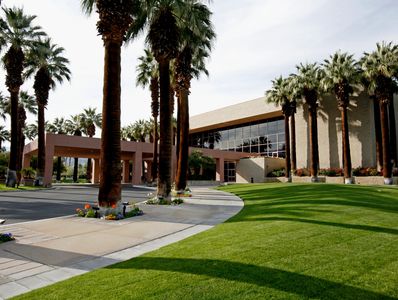
Palm Desert Overveiw
Palm Desert homeowners balance resort‑style living with serious desert heat, so both solar and HVAC systems must be designed for triple‑digit summers, HOA communities, and modern energy codes. .
Palm Desert overview
- Desert climate reality: Summers regularly exceed 110°F, putting continuous strain on AC systems and creating strong demand for solar that can offset peak cooling loads.
- Community mix: From Sun City Palm Desert and other 55+ master‑planned neighborhoods to golf‑course and country‑club communities, much of the city lives in HOA‑governed areas with defined standards for roofs, exteriors, and visible equipment.
- Energy‑forward city: Palm Desert has adopted streamlined solar permitting and local energy measures that encourage rooftop solar and higher‑efficiency homes alongside statewide Title 24 requirements.
Roof styles, neighborhoods, and HOA nuances
Palm Desert’s housing stock blends active‑adult master‑planned communities with golf‑course and resort neighborhoods, each with its own expectations for appearance and equipment placement.
- Common home and roof types:
- In Sun City Palm Desert, most homes are Spanish‑Revival or desert Mediterranean with soft‑tone stucco, tile roofs, and arched entries built between 1992 and 2003.
- Across Palm Desert, popular roof styles include concrete or clay tile on single‑story homes, plus some flat/low‑slope roofs on custom properties and attached homes.
- Many communities feature golf‑course or mountain views, where roof‑mounted solar and outdoor condensers must be positioned to protect sightlines and meet HOA standards.
- HOA and community considerations:
- Master‑planned and 55+ communities often regulate visible solar arrays, roof penetrations, and outdoor mechanical pads but must still comply with California’s Solar Rights Act and local expedited solar rules.
- In some attached or villa‑style neighborhoods, HOA rules can cover shared roofs, stucco, and landscaping, so coordination with the association is essential before placing solar or relocating HVAC equipment.
Solar in Palm Desert: permits, design, and local code
Palm Desert actively supports solar and has formalized a streamlined process for residential PV and solar hot‑water projects while tying everything to state safety and energy codes.
- City solar permitting:
- The city implements California Assembly Bill 2188 by providing an expedited permitting path for qualifying small‑scale solar electric and solar water‑heating systems.
- Streamlined PV permits are available for systems under 30 kW, including projects with battery backup and main‑panel upgrades, as long as they meet published criteria and submittal requirements.
- Solar permits are accepted only electronically; applications must include plans with AC ratings, structural calculations if needed, a declaration form, and a signed solar contract or purchase agreement, and review begins once fees are paid.
- Local code and energy provisions:
- The Palm Desert municipal code includes a Residential Solar PV Permits chapter and broader building and energy provisions that set minimum standards for safety and encourage good building practices.
- City‑level energy measures align with California Title 24, which generally requires solar on most new residential buildings and promotes high‑efficiency envelopes and systems.
- Design priorities for Palm Desert roofs:
- Tile roofs in Sun City and similar communities require engineered, tile‑compatible mounting systems that preserve roof integrity and avoid voiding HOA‑backed maintenance arrangements.
- Systems are typically optimized for long, hot summer afternoons, with attention to ventilation under modules and inverter placement to limit heat‑related performance loss.
HVAC in Palm Desert: heat, dust, and reliability
In Palm Desert, HVAC is central to health and comfort; equipment must handle both extreme daytime heat and cooler desert nights while constantly fighting dust and sand.
- Local HVAC stressors:
- Summer temperatures above 110°F force AC and heat pump systems to run for long cycles, increasing component wear, energy use, and the risk of sudden failures if maintenance is neglected.
- Desert dust and sand infiltrate filters, coils, and even ducts, restricting airflow, degrading indoor air quality, and sometimes causing evaporator freeze‑ups or compressor strain.
- Outdated or inaccurate thermostats are a known source of short‑cycling, uneven temperatures, and comfort complaints in Palm Desert homes.
- Best practices for Palm Desert HVAC:
- Change or inspect filters much more frequently than the national “every three months” rule; desert conditions often justify monthly checks to avoid airflow loss.
- Schedule regular tune‑ups to clean coils, verify refrigerant charge, check electrical components, and clear debris around outdoor units so they can reject heat effectively.
- Address heat pump issues early; in a climate with large swings between hot days and cooler nights, minor performance problems can quickly become noticeable and expensive.
Pool solar heating in Palm Desert
Palm Desert pools see heavy use most of the year, so solar pool heating is one of the most cost‑effective upgrades a homeowner can make. The same desert sun that drives air‑conditioning bills can be harnessed to extend the swim season without relying solely on gas or electric heaters.
- How solar pool heating works locally
- Roof‑ or ground‑mounted collectors circulate pool water through low‑pressure solar panels, using the sun to raise the water temperature before returning it to the pool. In Palm Desert's high‑sun environment, this can add several months of comfortable swimming on each side of summer with minimal operating cost.
- Systems are typically integrated with existing pool pumps and controlled by an automatic valve and temperature sensor, so the system runs only when there is useful solar heat and shuts off when the pool is at the set temperature
FAQs: Palm Desert solar & HVAC
Q: How friendly is Palm Desert to residential solar permits?
A: Palm Desert positions itself as a solar‑friendly city, with a streamlined permitting process developed under AB 2188 to encourage small‑scale rooftop PV and solar hot‑water systems. Electronic submittals, clear documentation requirements, and standardized plan review help most compliant residential projects move through the city efficiently.
Q: What should Sun City Palm Desert homeowners know before adding solar?
A: Sun City homes are predominantly Spanish‑Revival with stucco and tile roofs, so solar mounting must protect roof tiles and respect HOA requirements on appearance and equipment placement. Because it is a large, guard‑gated 55+ community with shared amenities and landscaping, early coordination with the HOA and use of experienced, code‑compliant installers is essential.
Q: Why does my AC work so hard in Palm Desert compared to other places I’ve lived?
A: Palm Desert’s combination of very high daytime temperatures and dry, dusty air forces systems to run longer and under harsher conditions than in coastal or cooler climates. Dust‑clogged filters and debris around outdoor units quickly compound the problem, reducing efficiency and making the home feel warmer even when the thermostat setpoint hasn’t changed.
Q: How often should HVAC maintenance be done here?
A: In desert communities like Palm Desert, yearly professional service is the minimum, with many homeowners opting for seasonal visits before peak heat to keep systems reliable. Filters should be checked monthly during dusty periods, and coils and outdoor units kept clean to protect efficiency and equipment life.
Q: Are new homes in Palm Desert required to include solar?
A: Under California’s Title 24 energy standards, most new residential buildings are required to include solar panels as part of meeting energy‑efficiency and performance targets. Palm Desert’s local energy and solar provisions align with these statewide rules, further encouraging solar adoption in new construction and production home developments.