YES you can still own your system! You don't have to settle for lease or PPA
Top Solar Pool Heating in Palm Springs – Energy Savings Start Here
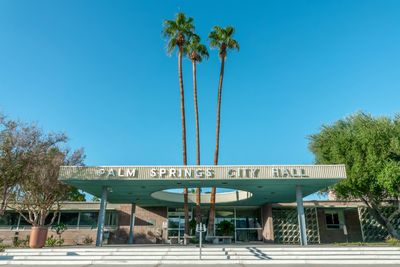
Palm Springs
Palm Springs homeowners deal with extreme desert heat, dust, and iconic mid‑century rooflines, so both solar and HVAC systems need to be designed, installed, and maintained specifically for this climate and local codes.
Palm Springs at a glance
- Desert climate: Long, intense summers with many days over 110°F put continuous stress on air conditioning systems and increase the value of high‑efficiency solar.
- Architectural character: Mid‑century modern, ranch, and Spanish/Mediterranean homes with low‑slope, flat, butterfly, and clay‑tile roofs dominate neighborhoods from Movie Colony to Twin Palms and beyond.
- Streamlined solar permits: The City of Palm Springs provides an expedited, checklist‑based process for small residential rooftop solar systems, often turning permits around in as little as three business days once plans are complete.
Roof styles, neighborhoods, and HOAs
Palm Springs roofs are beautiful but tricky for both solar and HVAC equipment placement, so every project is planned around architecture, views, and HOA rules.
- Common roof types:
- Flat and low‑slope roofs on classic mid‑century and ranch homes.
- Butterfly and single‑slope roofs in mid‑century tracts.
- Clay‑tile gable and hip roofs on Spanish/Mediterranean and newer gated communities.
- Neighborhood and HOA nuances:
- Areas like Vista Las Palmas, Twin Palms, Racquet Club, and Indian Canyons often have view corridors and front‑of‑home aesthetic rules that influence solar array layout and equipment placement.
- Many HOAs require screened condensers, painted conduit, or specific locations for roof/ground equipment; city solar rules still protect the right to install qualifying systems while allowing reasonable HOA design standards.
Solar in Palm Springs: design, permits, and common issues
Solar in Palm Springs must tolerate extreme heat, integrate with unique rooflines, and pass streamlined local permitting while meeting state safety codes.
- Design and installation details:
- Systems are sized for high daytime cooling loads and long run times, often pairing high‑efficiency modules with optimizers or microinverters to reduce output loss in high temperatures.
- Flat and low‑slope roofs typically use racking with slight tilt and engineered attachment to preserve roof warranties, while tile roofs require approved hooks and careful tile handling.
- City permitting:
- Palm Springs has a specific chapter for “Small Residential Rooftop Solar Energy System Permits,” requiring compliance with state structural, electrical, and fire codes and using a city checklist modeled on the California Solar Permitting Guidebook.
- Once a complete, code‑compliant application is submitted, the Building Department is directed to issue permits for qualifying small rooftop systems within three business days and to limit review to objective code checks.
- Common Palm Springs solar concerns:
- Heat‑related output loss and the need for good airflow under modules.
- Roof preservation on older mid‑century homes and proper load calculations for lightweight structures following the statewide solar guidebook tables.
- Coordination with main‑panel upgrades and future battery readiness consistent with local building and fire requirements in the Coachella Valley.
HVAC in Palm Springs: desert‑specific problems and solutions
In Palm Springs, air conditioning is not “optional”; systems run for months at a time and face dust, sand, and extreme temperatures that most regions never see. HVAC design and maintenance must reflect that reality.
- Common HVAC issues in desert homes:
- Increased wear and tear from near‑continuous summer operation, leading to faster component degradation and more frequent failures.
- Dust, sand, and debris clogging filters and coating coils, which restricts airflow, reduces efficiency, and can cause evaporator freeze‑ups or overheating of condensing units.
- Overheating of outdoor units and reduced heat rejection when the ambient air is extremely hot, raising energy bills and shortening equipment life.
- Best practices for Palm Springs HVAC:
- Shorter filter‑change intervals than the usual 60–90 days; desert homes often need monthly filter changes to keep airflow and efficiency up.
- Scheduled professional tune‑ups before peak heat to catch refrigerant leaks, airflow problems, and electrical issues that commonly show up in Palm Springs systems.
- Considering ductless mini‑splits or zoned equipment in challenging mid‑century floorplans, where targeted cooling can be more efficient than pushing a central system to cover everything equally.
Pool solar heating in Palm Springs
Palm Springs pools see heavy use most of the year, so solar pool heating is one of the most cost‑effective upgrades a homeowner can make. The same desert sun that drives air‑conditioning bills can be harnessed to extend the swim season without relying solely on gas or electric heaters.
- How solar pool heating works locally
- Roof‑ or ground‑mounted collectors circulate pool water through low‑pressure solar panels, using the sun to raise the water temperature before returning it to the pool. In Palm Springs high‑sun environment, this can add several months of comfortable swimming on each side of summer with minimal operating cost.
- Systems are typically integrated with existing pool pumps and controlled by an automatic valve and temperature sensor, so the system runs only when there is useful solar heat and shuts off when the pool is at the set temperatureFAQs: Palm Springs Solar & HVAC
Q: Do Palm Springs building codes make it hard to get solar approved?
A: For standard small residential rooftop systems, Palm Springs uses an expedited, non‑discretionary process tied to a published checklist, and qualifying applications are meant to be approved quickly as long as they meet state and local codes. This means design quality and complete documentation matter more than lengthy hearings.
Q: How do mid‑century and flat roofs affect my solar options?
A: Mid‑century homes with flat or low‑slope roofs usually need engineered racking with modest tilt and careful structural review using statewide solar permitting guidebook tables to verify roof capacity. Aesthetic details like set‑backs from roof edges and hidden conduit are often integrated to respect the architecture while keeping production high.
Q: My AC runs constantly in summer — is that normal here?
A: In Palm Springs, long stretches of extreme heat mean AC systems often run many hours per day and are pushed near their limits, which is common but also accelerates wear if systems are undersized or poorly maintained. Regular maintenance, clean filters, and correct refrigerant charge are critical to prevent failures during the hottest weeks.
Q: How often should I change my AC filter in Palm Springs?
A: National “every 90 days” advice is usually too long for local conditions; desert dust and sand can clog filters quickly, so many Palm Springs homes benefit from monthly changes or at least more frequent inspection. Clean filters keep airflow up, protect coils, and reduce energy use.
Q: Are ductless mini‑splits a good choice for older Palm Springs homes?
A: Ductless mini‑splits can work very well in Palm Springs’ hot, arid climate because they cool specific rooms without leaky or hard‑to‑retrofit duct systems, which is useful in many mid‑century or remodeled homes. They also help reduce load on existing central systems by targeting the most‑used spaces.
Q: What should landlords and tenants know about cooling reliability here?
A: Because indoor temperatures can climb rapidly during heat waves, reliable cooling is a health and safety issue, so properly sized and maintained HVAC systems are essential in Palm Springs rentals and owner‑occupied homes. Local tenant‑protection discussions in California increasingly focus on extreme heat and the importance of effective cooling in desert cities.